



5 SUSTAINABLE INTERIOR DESIGNING TIPS AND TRICKS
- Shivani Agrawal

- Nov 27, 2020
- 2 min read
1. GO MINIMALIST
Narrowing things down to the basic form is a familiar concept nowadays. It involves using the bare essentials to create a simple and uncluttered space. Use only the essential elements: light, form and beautiful materials, and an open plan layout (if possible), to create a sense of freedom and relaxation.

2. BUY ECO-FRIENDLY MATERIALS
An increasing variety of safe and chemical-free products is available nowadays, from organic, hypoallergenic paint to fibers and woods that haven't been treated with pesticides.

Interior designers can work with windows and doors that maximize energy efficiency, wood flooring that comes from rapidly renewable sources like bamboo, water-saving toilets and other environmentally responsible materials. Bio-Glass (recycled glass for backsplashes) and veneer cork flooring are also a couple stylish alternative materials. Bio-glass is an exceptional green alternative for anything from decor items to bathroom sinks, countertops and flooring. the material is made entirely of post-consumer recycled glass, which is then heated and compressed to create solid-surfacing slabs. Moreover, cork floors are actually made to feel like hardwood. They’re an interesting sustainable option because extracting cork doesn’t harm the trees – only the bark is harvested. Plus, cork can easily be reused. In fact, some floors made of this material are made entirely of recycled wine stoppers.
3. SHOP LESS, GO CRAFTY

One way to refresh a design often is by taking a creative approach to existing pieces. Why dump a perfectly functional foot stool or chair or cupboard? Give it a transformation by reupholstering it with new fabric or re-staining it. Creative reuse or recycle ideas can turn ordinary, broken or useless objects into functional and attractive objects.
Also, furniture with recycled metal and plastics requires less processing and fewer resources than furnishings made with non-renewable material. For instance, metal can be recycled repeatedly without degradation of its properties.
4. BE ENERGY INTELLIGENT
Energy-efficient homes can have many features, such as solar panels for generating electricity and heating water or energy-efficient appliances. It also refers to the appliances in your home, which should all be maintained regularly. It is important to have your heating and cooling systems professionally inspected on a yearly basis. Appliances older than 15 years will likely require replacement.
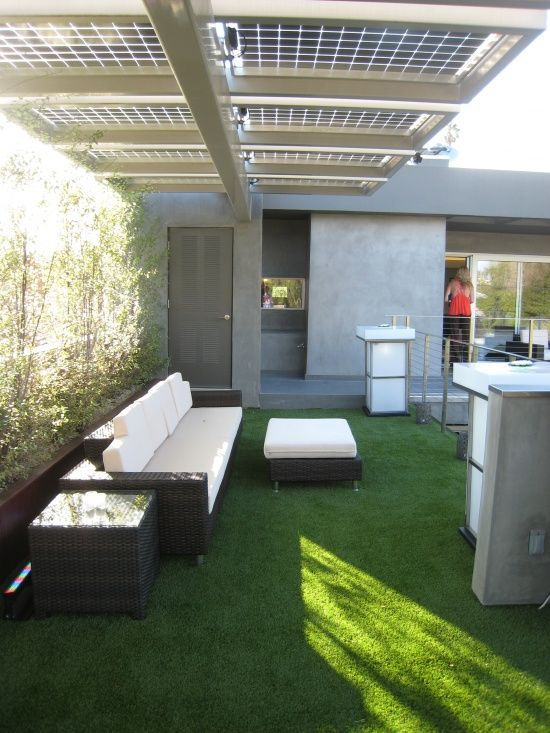
Clever interior design can incorporate windows and skylights to maximize the use of daylight and minimize artificial light. When artificial lighting is needed, LEDs, halogens and compact fluorescent light bulbs save energy and last longer.
5. REDISCOVER SUSTAINABLE CONSTRUCTION MATERIALS
Increasing advancements in technology and a growing interest and awareness in sustainability have led designers and engineers alike to push the limits of commonly used materials and innovate within them to create something futuristic and holistic. Society is beginning to recognise the interconnectedness of buildings, people and community in the creation of an environmentally responsible built environment. Therefore, clients are beginning to understand their role and impact on the environment. As a result, they are seeking interiors that demonstrate environmentally responsible, sustainable design. For example, some concrete based variations that are in vogue right now are thermocrete and hempcrete.

Reference Sources:


Comments